History and Innovation of Rolling Papers
Let’s rewind the clock to the early days of rolling papers. The story dates back all the way to the 1800s with the famous brand Rizla, a name all seasoned smokers recognize. While the brand didn’t become well-known until the 19th Century, its origins can be traced back even earlier. The brand, founded by Jean Baptiste de Rizla, is often linked to a story where Napoleon disliked his soldiers using valuable book pages to roll their tobacco. While this tale is unverified, it’s clear that with rising tobacco sales, an alternative was needed and that’s when Rizla became the pioneer in rolling paper manufacturing.
In 1884, Zig-Zag stepped up to provide the next revolution for rolling papers. They introduced their iconic zig-zag folding pattern that made it much easier for smokers to grab one paper at a time and roll more efficiently. It quickly became the hallmark of the brand and then evolved into the industry standard. The next innovation also came in the late 1800s with Pay-Pay, among the first to introduce the gum Arabic line to the edge of the paper. This feature helps smokers easily seal their joints and is a staple in modern rolling papers.
While the core design of rolling papers has remained relatively simple, these early innovations set the standard for modern papers and have allowed rolling to become an art form.
Types of Rolling Paper Materials: What You Need to Know
Not all rolling papers are created equal. The material used to create the paper can affect everything from the burn rate to the flavour.
What Are the Best Materials for Rolling Papers?
Hemp
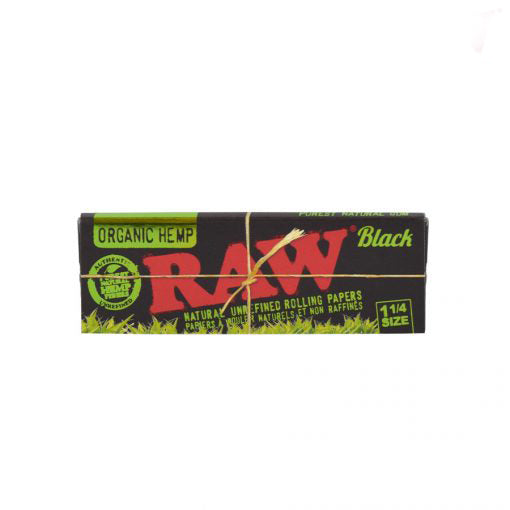
Often regarded as the most environmentally friendly option, hemp papers are made from the fibers of the hemp plant. While they tend to be more expensive, they’re known to enhance the flavour of your herb so you can truly enjoy your strain.
Wood Pulp
The oldest method of making rolling paper, wood pulp papers are affordable and often favoured by beginners for easy rolling. However, they’re not very environmentally friendly and tend to burn a little quicker.
Rice
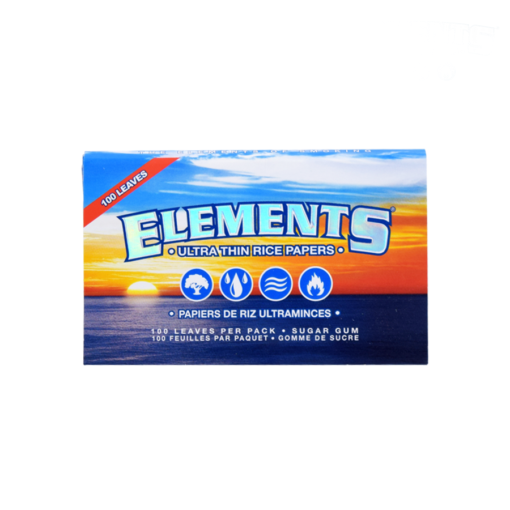
Rice papers are ultra-thin and ultra-popular for their smooth clean burn. While they are known to extinguish mid-smoke more easily and can be tricky for beginners, they do offer a lighter, more flavourful smoking experience.
Flax
Known for their silky texture, flax papers provide an easy roll and an even burn. They are an unknown favourite for those who appreciate a slow and steady burn with minimal effort.
Each of these materials has unique qualities that contribute to your overall smoking experience, from flavor enhancement to environmental impact.
What Makes the Best Rolling Papers for Joints?
When it comes to rolling papers, several factors are important to creating the perfect smoke. Here’s what to consider when choosing your ideal paper.
Thinness
Thinner paper burns better, produces less ash, and doesn’t overwhelm the taste of the herb. This is especially important for those who want to enjoy the full flavour of their strain and enjoy the subtle differences between each.
Design
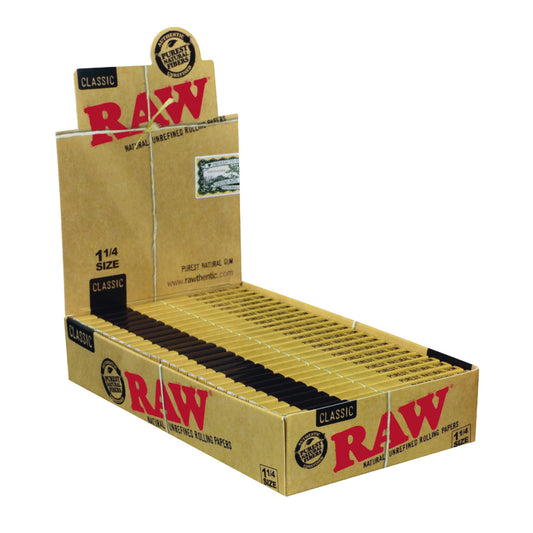
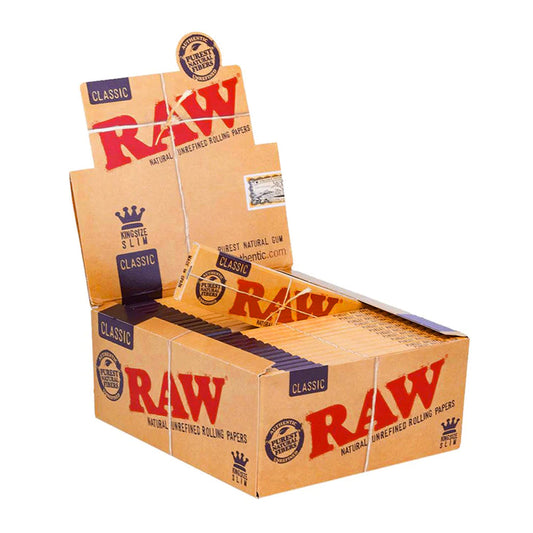
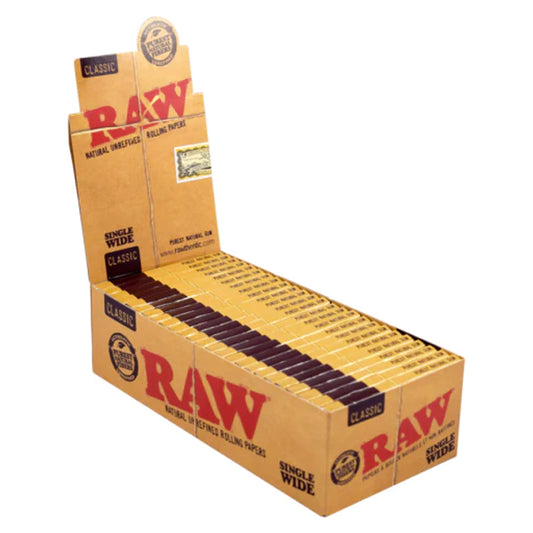
The design of the paper plays a pivotal role in ensuring a smooth, even burn. Whether it’s the patented RAW® criss-cross watermark or the popular diamond pattern, the design helps the paper and weed grip together, ensuring that the joint burns evenly.
Size
The size of the rolling paper obviously is impacted by the size of your joint so it’s good to have a variety if you are looking to have a well-stocked stash. Smaller papers are perfect for a quick smoke so that there isn’t loose paper burning unevenly. While larger papers offer more room for bigger, longer-lasting joints, such as one you might share with friends.
Gumline
The gumline is crucial for keeping the joint together. This line needs to not be in the way while you roll but once activated, the quality of the gum needs to stay sealed. A solid gumline ensures your joint stays intact, so you can enjoy it to the very end.
Bleached vs Unbleached
Bleached papers are treated with chemicals to make them white, which can sometimes affect the taste of the smoke. Unbleached papers, on the other hand, are more natural and often preferred by those who want a cleaner, more organic experience. While bleached papers tend to burn a little better, unbleached papers are the more environmentally friendly choice.
Rolling Papers and the Ritual of Smoking
Rolling papers are more than just a tool; they are part of a larger experience. Whether you're rolling up with a simple wood pulp paper or enjoying the luxury of hemp or flax paper, each one provides a unique smoking experience. It’s a tradition that’s seen little change in design but a vast improvement in quality and sustainability.
Rolling papers are a testament to the timeless art of rolling, a tradition that ties us together in the shared experience. Never more appreciated than the awful moment you have run out and have to suffer the consequences of rolling with the closest paper you can find. So, here’s to the humble rolling paper, the unsung hero of our smoking accessories. Thank you for being there, and for helping us create our perfect joint, one roll at a time.
Check out these go-to papers and find your perfect fit today!